What Happens If You Tie in Baccarat? Tie Bets & Tie Outcomes Explained
Ever found yourself puzzled when a round of baccarat ends in a tie? You’re not alone; tie outcomes can be confusing, especially if you’re new to the game or playing online.
This guide explains what a tie means, how bets settle, and whether tie wagers are worth considering. A clear grasp of the rules helps decisions feel easier and keeps your play smooth.
We keep it simple throughout, with plain language and practical examples.
What Happens When a Tie Occurs in Baccarat?
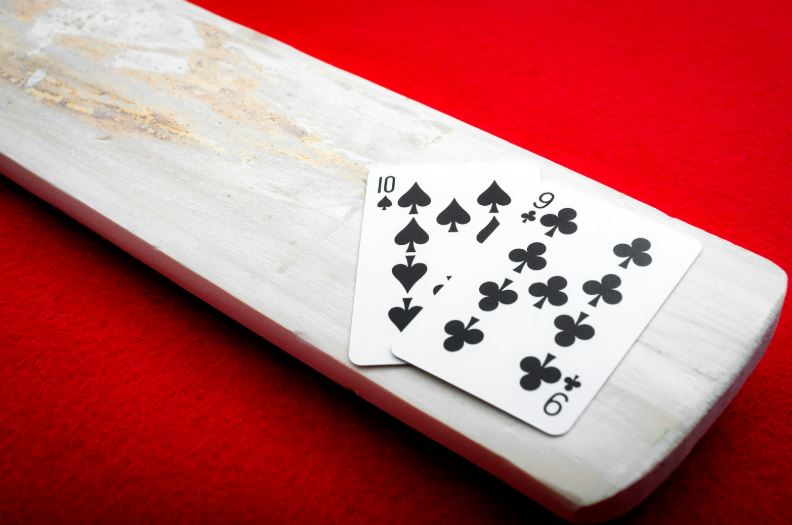
A tie is simply equal totals for Player and Banker at the end of the round. When this happens, the dealer settles the table by returning any Player or Banker stakes to their owners. Your balance goes back to where it was before the hand, ready for the next decision.
If you placed a tie bet, the table pays that wager according to its paytable, and any non-tie bets are pushed back. Visually, it can feel like the hand paused your main wager while resolving the separate tie option.
With the basics clear, it helps to know how the standard bets are treated in a little more detail.
How Do Player and Banker Bets Settle on a Tie?
Player and Banker bets do not win or lose when the hand ends level. The full stake is returned, so from a betting point of view it is as if the round did not count. There is no commission, no deduction and nothing carried over.
This is why some players treat ties as a breather between decisions rather than a result that changes momentum.
What Happens to Side Bets on a Tie?
Side bets are optional wagers that sit alongside the main decision. Their outcome on a tie depends on the specific bet and its rules.
Many side bets are resolved by the first two cards, not the final totals. For example, Player Pair, Banker Pair and Perfect Pair can win or lose regardless of a tie because they only check whether the opening two cards form a pair. Others, such as Big or Small, look at the number of cards drawn and pay or lose based on that condition. A few variants include tie‑related side bets that pay different rates for certain tie totals.
Paytables vary by game, so it is sensible to check how a side bet is defined before playing.
How Are Tie Outcomes Paid Out?
If you bet on a tie and both hands finish with the same total, the tie bet wins. You receive the stated multiple of your stake, plus the original stake back. Player and Banker bets are returned to you in full when a tie occurs.
Payments are processed as part of the normal settlement for the round, whether you are at a live table or playing online.
Typical Tie Payouts and Table Variations
Most tables pay 8 to 1 on a successful tie. A £10 bet would return £80 in winnings plus your £10 stake. Some tables offer 9 to 1, paying £90 plus your stake for the same £10.
The exact rate depends on the version of baccarat and the provider. A quick glance at the paytable before you start tells you exactly what to expect if a tie lands.
So, how often does this result actually show up?
How Often Do Ties Happen In Baccarat?
Ties are relatively uncommon. In standard games the tie appears in roughly 9 to 10% of hands, so a little under one in ten rounds on average.
Player and Banker outcomes are more frequent, which is why the tie needs a higher payout to balance its lower hit rate. Keeping that frequency in mind helps set expectations when you are weighing up a tie bet.
Play Slots & Online Casino Games


What Are The Odds And House Edge On Tie Bets?
The numbers explain why tie bets pay more. With an 8 to 1 payout, the house edge on the tie is about 14.4%. If the table pays 9 to 1, the edge drops to around 4.8%. Both figures are higher than the main bets, which typically sit near 1 to 1.2% depending on the rules.
In short, the tie can offer a big return when it lands, but the long‑term maths is less favourable than the Player or Banker options.
With that in mind, how should you treat tie bets when you play?
Are Tie Bets Worth Placing?
It depends on what you want from the game. The tie bet can add a high‑payout moment, but it will not arrive often, and the expected return is lower than the standard bets. That combination means you might go through long patches without a hit.
Plenty of players prefer to keep tie bets occasional, using them for a change of pace rather than as a core approach. Others avoid them entirely and stick with Player or Banker to keep variance lower. Either way, understanding the trade‑off between payout and probability makes the choice clearer.
Placing A Tie Bet: Rules And Betting Options
At the start of each hand, the table presents three main areas: Player, Banker and Tie. Placing a tie bet is as simple as putting your chips on the Tie area before the cards are dealt. You can choose the stake that suits your budget within the table limits.
Some tables also offer optional extras, such as betting on a specific tie total. These tend to pay more because they are harder to land. As always, the paytable outlines the exact rules and returns.
Common Misconceptions About Tie Bets
A frequent myth is that ties occur as often as Player or Banker. They do not, and that is why they pay more.
Another misconception is that ties arrive in streaks or become due after a run of non‑ties. Each hand is independent, so previous results do not affect the next outcome.
Some believe the higher payout makes the tie a strong long‑term strategy. In reality, the house edge is higher, so most players treat it as an occasional play rather than a mainstay. Finally, not every table pays the same rate on ties, so it is worth checking before you start.
You Can Find Live Baccarat Games Here at Red Casino
If you would like to see how ties play out in real time, head to Red Casino’s live casino section to choose from our live baccarat tables. You can join real dealers, place your bets as the action unfolds and follow every hand from home.
Set a clear budget, keep control and play within your means. When you understand how ties work, the game feels smoother and decisions become more confident. Ready to put that knowledge into practice?
*All values (Bet Levels, Maximum Wins, etc.) mentioned in relation to these slot games are subject to change at any time. Game features mentioned may not be available in some jurisdictions.