How to Claim a Damaged Scratch Card: Steps for Lost or Invalid Cards
Ever scratched a card only to find it torn, smudged or unreadable? Or realised the ticket has gone missing just when you were about to check it? It can feel deflating, but there are still practical routes you can take.
Knowing how the claims process works helps you avoid missteps. From reporting a damaged ticket to checking whether a misprinted or expired game can be paid out, the key is to act methodically and keep good records.
Before you bin the card or stop searching, take a moment to learn what operators usually ask for and how to present your case clearly. A little preparation goes a long way.
How to Claim a Damaged Scratch Card
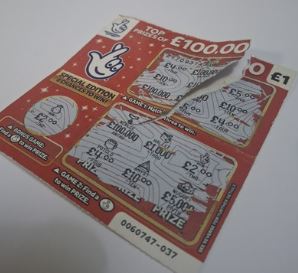
If your scratch card is damaged, lost or comes up as invalid, stay calm. The process can be straightforward if you follow the operator’s guidance and keep hold of any evidence.
1. Check the Card Carefully
Look for the security code, serial number and any other readable details. These identifiers are central to any investigation.
2. Keep All Pieces
If the card is torn or incomplete, store every fragment in a safe place. Small scraps can help the operator verify authenticity.
3. Contact the Retailer
Return to the shop where the card was bought and ask if they can scan it or advise on next steps. They cannot approve payouts, but they can confirm whether the barcode reads.
4. Contact the Scratch Card Provider
Go to the operator’s website or helpline for instructions. Each provider has its own policies on damaged, lost or invalid tickets.
5. Fill Out a Claim Form
Expect to provide details such as when and where the card was bought and any proof of purchase you have. Clear, accurate information avoids delays.
6. Post the Card, If Required
When asked to send the card, include all pieces. Use tracked post and keep copies or photos for your records.
7. Await a Decision
The operator will assess whether the essential details can be verified and whether the game rules allow payment. Timelines vary by case.
Remember: claims for lost cards without proof are difficult, but it is still worth asking the operator what your options are.
Who Can Claim A Damaged Scratch Card?
A claim should be made by the purchaser or by someone with clear permission from them. Operators will ask for enough information to show the claim is being made by the right person.
You must be at least 18 to play and to claim prizes in the UK. If the card was a gift, it helps to have the receipt or a brief note from the giver confirming where and when it was bought.
Proof of purchase, such as a receipt or bank statement, strengthens your position, especially if the card is lost or badly damaged.
What Counts As A Damaged, Lost Or Invalid Scratch Card?
A card is considered damaged when it is torn, waterlogged, smudged or has a scratched panel that is unclear or incomplete. Any mark that prevents important details from being read may count.
A lost card is one that you cannot locate after purchase.
An invalid card is one that cannot be verified or paid under the game rules. This can happen if numbers are missing or faded, the barcode will not scan, there is a printing error, the game has closed, or the card was not issued correctly.
If you are not sure which category applies, ask the operator to confirm before taking further steps. Knowing where your card sits helps you choose the right route to claim.
How Do I Check If My Card Is Still Claimable?
Start by reviewing the card for readable identifiers such as the serial number and security code, as described earlier. If these are intact, there is a clearer path to verification.
Next, try a retailer scan. If the barcode reads and the system shows the card as valid, you should be able to proceed with a claim.
If codes are missing or a scan fails, check the operator’s website for advice or contact customer support. They can explain what information they need and whether a manual review is possible. For unusual cases like faded print or misalignment, get written confirmation from the operator before discarding the card.
Once you have a sense of whether the card can be assessed, it becomes easier to gather the right documents.
Play Slots & Online Casino Games


Required Documents And Proof For A Claim
Operators usually ask to see the card itself, including any fragments you have kept. Good, clear photos can help, but keep the physical pieces safe in case posting is required.
Proof of purchase is especially useful. This might be a receipt, bank statement or an online order confirmation. For gifted cards, any note or the original receipt from the giver can help the operator link the card to a genuine purchase.
If you have already spoken to a retailer or the operator, include any reference numbers or emails so the case history is easy to follow.
How To Complete The Claim Form
Read the instructions on the form and complete every section in clear, legible writing. Provide your contact details, when and where the card was bought, and any visible numbers or codes.
If the card is damaged, briefly explain what happened and when you noticed the issue. Attach the documents requested, such as photos of the front and back, proof of purchase or images of separate pieces.
Check everything before you submit. Keep a copy of the form and supporting material so you can refer back if asked for more information.
How To Report A Damaged Scratch Card To The Operator
Go to the operator’s official website and open the Help or Contact section to find the correct route for damaged or invalid cards. Most offer a helpline and an email address for claims.
Have the basics ready, including the card type, where and when it was bought, and a brief description of the problem. If you still have the card, take clear photos of both sides so any serial numbers or codes are visible.
Keep a note of call times, names and any case references. Those details make follow ups simpler if you need an update.
With the report started, you are ready to redeem through the channel the operator recommends.
How To Redeem A Damaged Scratch Card In Person, By Post Or Online
In Person
If the card is only lightly marked and all details are readable, a retailer may be able to scan it. If the system confirms the prize and the operator’s rules allow in-store payment for that amount, you could be paid at the till. Where scanning fails or the amount requires a formal claim, the retailer will direct you to the operator.
By Post
Where a scan is not possible or the card is heavily damaged, postal claims are common. Follow the operator’s instructions, place the card and any pieces in protective packaging, include the completed form and supporting documents, and use tracked delivery. Keep a copy of everything you send.
Online
Some operators let you begin the process online. You may be asked to upload photos and proof of purchase, then complete an online form. Watch for follow-up requests and keep emails and reference numbers safe.
How Long Do Claims Usually Take To Be Processed?
Timeframes depend on the operator and the condition of the card. Straightforward cases are often decided within 2 to 4 weeks after all documents are received. Complex cases can take longer, particularly where information is missing or a manual investigation is needed.
Postal claims can add extra days for delivery and handling, and higher prize amounts may involve additional checks.
Check the operator’s current guidance on processing times. Keep your proof of posting and any reference numbers, and if there is no update after about four weeks, contact customer support for a status check.
What To Do If Your Claim Is Rejected Or Disputed?
If your claim is turned down, read the explanation closely to understand the reason. Check for simple issues such as unclear photos, missing fragments or incomplete information. Addressing these and resubmitting can help in some cases.
If you still believe the card should be paid, request a review and provide any additional evidence you have kept. Be clear, polite and organised so the reviewer can follow the timeline easily.
If a final decision is reached and you disagree, you can escalate to an independent complaints service such as the Independent Betting Adjudication Service (IBAS). Keep all correspondence, copies of forms and postal receipts so your case is documented from start to finish.
Handled carefully, even awkward cases can be assessed fairly. Keep good records, follow the operator’s process and give clear information, and you will have given your claim the best possible chance.
**The information provided in this blog is intended for educational purposes and should not be construed as betting advice or a guarantee of success. Always gamble responsibly.