
Why Do Slot Machines Use Fruit Symbols Like 3 Cherries On Reels?
If you’ve ever played a slot machine, you’ve probably noticed those iconic fruit symbols spinning across the reels, with cherries, lemons and even watermelons popping into view. But have you ever wondered why these fruity icons took centre stage in the first place?
There’s a fascinating story behind those colourful images that goes far beyond their tasty appearance. The classic slot machine look, with three cherries in a row or a bright lemon appearing, isn’t just about tradition.
Get ready to discover where these familiar symbols came from and why they’ve stuck around for so long. If you enjoy a bit of gaming history or simply want a good piece of trivia, keep reading, you’ll never look at slot reels quite the same way again.
How Did Fruit Symbols Originate On Slot Machines?
The story begins over a century ago. Early mechanical slot machines were often called one-armed bandits, and their symbols were simple, such as playing card suits and numbers.
Around 1907, a chewing gum manufacturer introduced a practical twist. With cash payouts restricted in many areas, machines dispensed fruit-flavoured gum as prizes. To match the flavours, colourful fruit symbols appeared on the reels.
Each symbol had a purpose rather than just decoration. Three cherries, for example, lined up with a cherry-flavoured prize. As time went on and cash payouts returned in various places, the fruit designs remained. They had become a recognisable shorthand for wins and an aesthetic that players associated with the games themselves.
With the origin clear, it helps to look at the laws that nudged designers in that direction.
How Did Anti-Gambling Laws Lead To Fruit Symbols?
In the early 1900s, anti-gambling rules were introduced in parts of the United States that limited or banned cash payouts from slot machines. This posed a challenge for machine makers and venue owners who wanted to keep their machines on the floor without breaking the law.
The solution was to offer non-cash rewards. By dispensing goods such as chewing gum or sweets, machines could be framed as vending devices rather than gambling machines that paid out money. To make the rewards clear, the reels used fruit symbols linked to the flavours and prizes on offer.
This approach kept machines operating within legal boundaries while still giving players something tangible to receive. Over time, the legal workaround shaped the visual language of slot machines, leaving fruit symbols as a lasting design choice rather than a temporary fix.
Play Slots & Online Casino Games


What Does Three Cherries On Reels Mean?
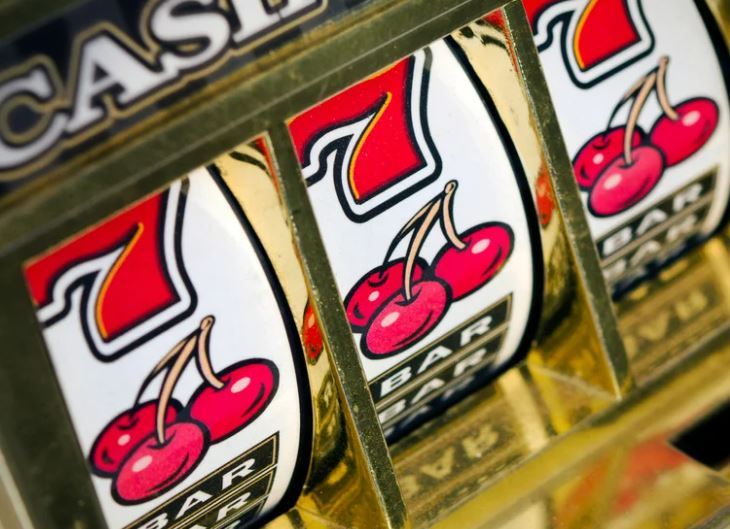
Seeing three cherries align on a payline has long been a positive outcome. Historically, it indicated a cherry-flavoured prize on gum-dispensing machines. When money-based payouts became common again, designers kept cherries as a familiar winning icon, so three cherries often continued to represent a meaningful return.
On modern slots, the exact value depends on the game’s paytable. In many titles, three cherries pay a smaller to mid-range prize or can trigger a feature. Their bright look and clear shape make them easy to spot, and that visibility helps explain why cherries are still one of the most recognised symbols on the reels.
Curious why fruit symbols survived the leap from clockwork machines to digital screens? The answer starts with how those old machines were built.
Technical Reasons For Using Fruit Symbols On Mechanical Reels
Fruit symbols did more than brighten up early slot machines. They solved practical problems linked to mechanical design and printing. Reel strips were physical bands fitted with artwork. Simple shapes and bold colours were easier to print cleanly and stayed legible through constant spinning and wear.
Clear contrast reduced errors when operators checked for winning combinations in the small viewing window. Symbols like cherries, lemons and plums stood out at a glance, which made payouts quicker and avoided disputes.
In an era before digital displays, fruit images were affordable to produce, easy to recognise and reliable under heavy use. That practicality helped cement their place, even before nostalgia did the rest.
Fruit Symbols In Modern Online And Video Slots
Fruit symbols have carried over into online and video slots because they still work. Developers often use cherries, lemons and other classics to anchor games that mix familiar visuals with new mechanics.
Many modern titles lean into a “retro” or “fruit machine” look, pairing simple icons with features such as bonus rounds, free spins and expanding reels. Players can identify outcomes quickly, and the visual link to traditional machines gives these games a clear identity.
You will still find slots where three cherries or a line of lemons pays out according to the rules shown in the paytable. It is a neat example of how a century-old design choice can remain useful in a digital setting. Fruit symbols started as a practical solution and became part of the culture of slots, which is why they continue to spin across reels today.
*All values (Bet Levels, Maximum Wins, etc.) mentioned in relation to these slot games are subject to change at any time. Game features mentioned may not be available in some jurisdictions.