
Why Do Casinos Have Ugly Carpet? Casino Carpet Psychology Explained
Anyone who has stepped into a casino has likely noticed the bright, bold carpets underfoot. The unusual shapes and clashing colours stand out, raising the question of whether there is a plan behind the chaos.
The patterns are not random. From psychology to practical design, these choices serve specific purposes that shape how the space feels and functions.
This blog post explores why casinos use busy designs, how colours and patterns might influence behaviour, and how carpets link with layout, maintenance, comfort, noise, safety and a few common myths. If you choose to play, set your own limits and treat gambling as optional entertainment.
Read on to learn more.
Why Do Casinos Use Bright, Busy Carpet Patterns?
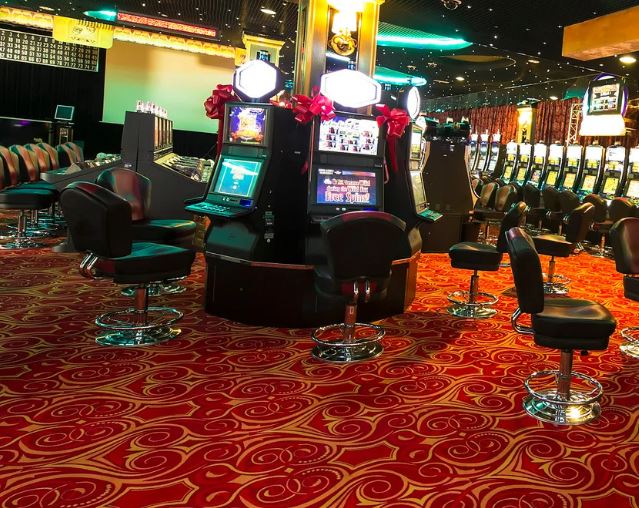
Casinos often use bold colours and complex patterns for practical and psychological reasons.
Bright, contrasting designs can create a lively atmosphere, helping a gaming floor feel active even during quieter periods. The visual energy supports the overall buzz of the venue.
There is a practical side, too. Patterns help mask stains, dirt and wear in high-traffic areas, so the floor looks presentable for longer between cleans. This can reduce disruption and maintenance costs.
Designers sometimes use shapes and lines to draw attention to zones, walkways or feature areas. These visual cues can make certain spaces more prominent while de-emphasising others.
With that in mind, what do specific colours and motifs try to achieve?
How Do Carpet Colours And Patterns Influence Player Behaviour?
Carpet colours and patterns are chosen for how they make a space feel, rather than for dramatic psychological effects on individuals.
Warm tones such as reds and golds can add energy and warmth, which suits busy gaming zones. Cooler shades and softer contrasts are often used around bars or seating areas to help those spaces feel calmer by comparison.
Complex patterns break up large floors so they feel less empty and more inviting. Repeating motifs can subtly guide movement, nudging people along paths without the need for obvious signage. They also provide visual interest that keeps eyes at floor level, which makes machines, tables and displays stand out by contrast.
The influence is usually subtle and works alongside lighting, sound and layout. Which raises the next question: Do carpets actually keep people there longer?
Do Casino Carpets Make People Stay And Spend Longer?
There is debate about whether carpets directly affect how long people stay or how much they spend. Carpets can contribute to an energetic atmosphere, especially when combined with lighting and sound, and that ambience may make time feel less prominent.
Even so, there is no strong evidence that carpet design alone has a significant impact on behaviour. Game mix, social setting, promotions, service and the overall layout tend to play a larger role in how people move through a venue.
Design does not work in isolation; it fits into the wider plan of the floor.
Carpet Design And Casino Layout Work Together
Carpet design is often coordinated with the layout of the gaming floor.
Changes in pattern or colour can signal a shift from one zone to another, such as from slots to tables, or from open areas to walkways. Borders and directional lines help guide foot traffic, easing congestion and making navigation feel more intuitive.
These visual cues also help staff manage the space. Clear pathways improve visibility and safety, and distinct zones make it easier to monitor activity and support guests where needed.
Practical concerns go further than navigation; there is also the challenge of dirt and wear.
Are Casino Carpets Designed To Hide Dirt And Wear?
Yes. One major reason for bold, complex patterns is to disguise the inevitable signs of heavy use.
With thousands of footsteps a day, marks and spills are bound to happen. Busy designs and darker colours make minor blemishes less noticeable, which keeps the floor looking tidy between scheduled cleans. Patterns are often planned with high-traffic areas in mind, so worn patches blend into the design rather than stand out.
That visual durability depends on what the carpet is made from and how it is looked after.
Play Slots & Online Casino Games


What Materials And Maintenance Practices Do Casinos Use For Carpets?
Casinos choose materials for strength as much as for appearance.
Most carpets use hard-wearing synthetic fibres, typically nylon. It resists abrasion, holds colour well and copes with heavy foot traffic. Many venues specify dense, low-pile constructions that are less likely to show tracking lines and are easier to clean. In some cases, nylon is blended with other fibres to adjust texture or sheen without sacrificing durability.
Regular maintenance keeps patterns crisp and colours consistent. Daily vacuuming removes grit that can cut fibres, while prompt spot treatments limit staining. Commercial cleaning equipment and solutions are used on a schedule to maintain hygiene without fading dyes. If an area becomes damaged, modular installation allows a section to be replaced without lifting an entire room.
Beyond durability, carpets also affect how a casino feels and functions in day-to-day use.
Do Carpet Choices Affect Comfort, Noise And Safety?
Carpet selection influences comfort, noise levels and safety across a busy floor.
Underlay and dense construction provide a softer surface for people who stand or walk for long periods, which can reduce foot fatigue compared with hard flooring. Carpets also absorb sound, softening footsteps, dropped items and ambient noise so conversations and announcements are easier to hear.
Safety is built in. Many casino carpets use finishes and textures designed to improve grip, especially in high-traffic routes. Clear pattern changes help highlight steps, thresholds or different floor heights so people notice transitions as they move.
Given how much thought goes into function and feel, it is easy to see how myths arise.
Common Myths About Casino Carpet Psychology
Several ideas about casino carpets are widely repeated, but they do not hold up well.
One myth claims carpets are made deliberately unpleasant to look at so players focus on the games. In practice, designs are guided by branding, maintenance needs and wayfinding, with an aim to balance impact and practicality.
Another says certain patterns or colours directly control how long people stay or how much they spend. While design contributes to atmosphere, there is no strong evidence that carpets alone have that level of effect.
It is also said that dizzying patterns are used to disorient visitors. In most cases, complex motifs exist to disguise wear, manage traffic flow and tie the space together with the venue’s theme.
Understanding the purpose behind these choices makes the floor feel less mysterious and more like good planning. If you decide to play, keep it manageable, set your own limits and take breaks when you need them.
**The information provided in this blog is intended for educational purposes and should not be construed as betting advice or a guarantee of success. Always gamble responsibly.