

When Should You Fold in Poker? Folding Tips & Common Folding Mistakes
Folding is one of the most important choices a poker player faces, and knowing when to fold can make all the difference over time. Many beginners feel unsure about giving up, but experienced players know that well-timed folds preserve chips and keep them in control of the session.
Even though folding can seem straightforward, there are plenty of hands where it becomes a subtle art. Table position, betting patterns, and how a hand connects with the board all matter, and getting these wrong can lead to avoidable losses.
This blog post explores key folding strategies, common mistakes to avoid, and practical tips for deciding whether to stay in a hand or let it go. The focus is on clear, steady decision-making that helps players keep their choices measured and sensible.
When Should You Fold Pre-Flop?
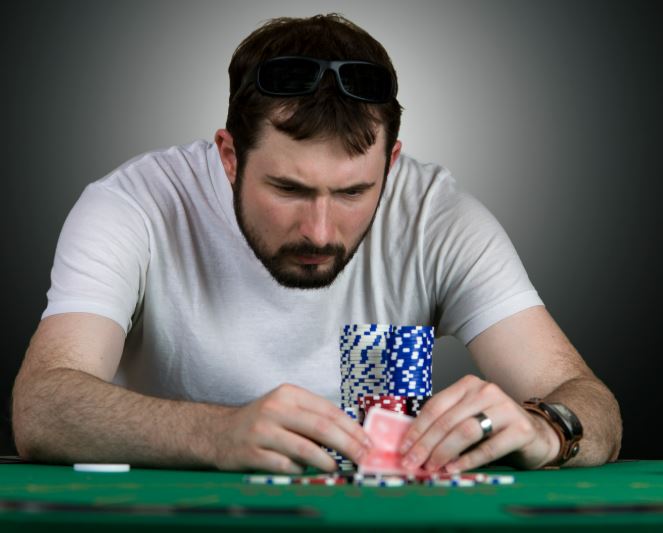
Folding before the flop is a choice many players face in every hand. It is often the safest option with weak, unconnected cards that are unlikely to improve, or with hands that are easily dominated, such as K-6 offsuit or A-8 offsuit facing a raise.
Position at the table is important. From early positions, there are many players left to act, so folding more hands keeps you out of tricky spots. From later positions, you have seen how others behave and can be more selective, playing hands that either have solid value or clear post-flop plans.
Suited or connected cards may look appealing, but without good position, stack depth, and a reasonable price to see the flop, they can cost more than they return. If there has been heavy action, these speculative hands drop in value and folding is often best.
Folding pre-flop avoids situations where you might be forced into difficult calls on later streets. A tighter approach here helps protect your stack and sets you up for clearer decisions once the community cards arrive. Of course, that is where the picture can change quickly.
When Should You Fold Post-Flop?
Deciding to fold after the flop is often sensible when your cards do not connect with the board or have little chance of improving. A dry board like K-7-2 rainbow offers very little to 9-8 suited, for instance, and calling a large continuation bet with no pair and no strong draw can snowball into bigger losses.
Board texture and position guide many post-flop folds. On co-ordinated flops such as J-10-9 with two of a suit, one pair is vulnerable and can be behind to made straights, sets, or stronger draws. Out of position, even a marginal call can lead to difficult turn and river decisions, so folding early is often the cleanest choice when the plan is unclear.
Bets should tell a believable story. If an opponent’s line consistently represents strong hands on that board, folding average holdings keeps you out of trouble. If the story looks weak or inconsistent, continuing with a plan makes more sense. When in doubt, a disciplined fold saves chips for better spots.
When Should I Fold In Multiway Pots?
Multiway pots, with three or more players involved, increase the chance that someone holds a strong hand. In these situations, average one-pair hands decline in value, and draws can be less reliable because outs may be shared or dominated.
If your cards do not connect well with the board, or you only have a weak pair or a fragile draw, folding in a multiway pot is usually best, especially when facing raises from more than one opponent. When several players show strength, marginal hands rarely perform well across the turn and river.
How Do Pot Odds And Equity Affect Folding Decisions?
Understanding pot odds and equity helps turn close decisions into clearer ones. Pot odds compare the size of the call with the total pot, and equity is your hand’s expected share of the pot if all cards are dealt.
As a simple example, imagine a £60 pot and you face a £20 bet. You would be calling £20 to win £80, which means you need 25 percent equity for the call to break even. With a flush draw on the turn, you will usually have around 19 to 20 percent chance to hit on the river, which is below the 25 percent needed, so folding is often correct unless there are strong reasons to expect extra chips later. The same idea applies to straight draws and combinations of draws, always allowing for the chance that some outs are not clean if the board pairs or a higher draw is available.
Using pot odds and equity together stops hopeful calls and anchors decisions in numbers. When the maths says a call does not make sense, folding preserves your balance for situations where the figures are in your favour.
Folding Based On Table Position
Table position is a key factor in deciding when to fold. The earlier you act, the less information you have, so folding more often from early positions is usually the safer choice. Hands that are playable on the button or cutoff, like suited connectors or medium aces, may be routine folds under the gun, where raises behind can put you in awkward spots.
Players who act later in the round have already seen the actions of others, which allows for more flexible decisions. From late position, you might continue with marginal hands against signs of weakness, but it still pays to fold when the blinds are aggressive or the pot has already been re-raised.
In the blinds, you will play the rest of the hand out of position. Defending too widely against large opens can lead to uncomfortable post-flop decisions, so tighter folds here often save chips that would be difficult to recover later. With position in mind, the next key input is how opponents apply pressure.
How Do Opponents’ Betting Patterns Signal A Fold?
Opponent behaviour can reveal a lot. A sudden large raise from a usually cautious player, or three barrels that grow in size on a dangerous board, often indicates real strength. In these cases, average hands and weak pairs tend to bleed chips, and the disciplined fold pays off.
Certain moves are especially telling. A check-raise on a wet flop commonly represents strong made hands or powerful draws, making calls with marginal holdings risky. Conversely, small blocking bets can indicate medium-strength hands trying to control the pot, though reads should be based on repeated patterns rather than a single example.
Look for lines that make sense. If an opponent’s story fits the board and betting throughout the hand, give it respect and let go of hands that are merely okay. Trusting consistent patterns over guesses reduces the number of times you pay off stronger ranges. Sometimes those same reads mean folding hands that look strong at first glance.
When Is It Correct To Fold Strong Hands?
Even strong hands sometimes need to be folded when new information points to better holdings elsewhere. An overpair can shrink on a four-card straight or three-card flush board, especially when an opponent who has been passive suddenly raises big on the river. Two pair can be in poor shape when the board pairs and a tight player shows major strength.
Context is everything. In deep-stacked pots, the cost of being second best can be severe, and multiway pots further increase the odds that someone has a higher combination. If the betting line and board both favour ranges that beat you, folding protects your remaining stack and avoids compounding a tough situation.
Experienced players let go when the story adds up against them. It may feel counterintuitive to release a hand that started strong, but preserving chips for better opportunities is a key part of long-term success.
Common Folding Mistakes Beginners Make
Many beginners hesitate to fold weak hands, hoping the turn or river will help. Calling down without a clear reason is costly, particularly when several players show aggression. At the other extreme, folding too quickly in late position can miss profitable chances to continue against obvious signs of weakness.
Another frequent issue is chasing draws without the right price. As covered under pot odds and equity, if the numbers do not support a call, folding is usually the smarter option. Players also get attached to money already in the pot, feeling obliged to continue, but chips committed earlier should not dictate current decisions.
Playing too many hands, especially from early position or out of the blinds, makes good folds harder to find later in the hand. Tilt can also push decisions off course, turning straightforward folds into stubborn calls. Keeping emotions in check helps ensure folds are based on evidence rather than impulse.
If you choose to play, set personal limits that fit your circumstances, take breaks, and keep it as occasional entertainment. If gambling starts to affect your well-being or your finances, seek support early. Independent organisations such as GamCare and GambleAware offer free, confidential help for anyone who needs it.
Applied with steady discipline, the folding ideas above can sharpen decision-making and keep play measured from one hand to the next.
**The information provided in this blog is intended for educational purposes and should not be construed as betting advice or a guarantee of success. Always gamble responsibly.